
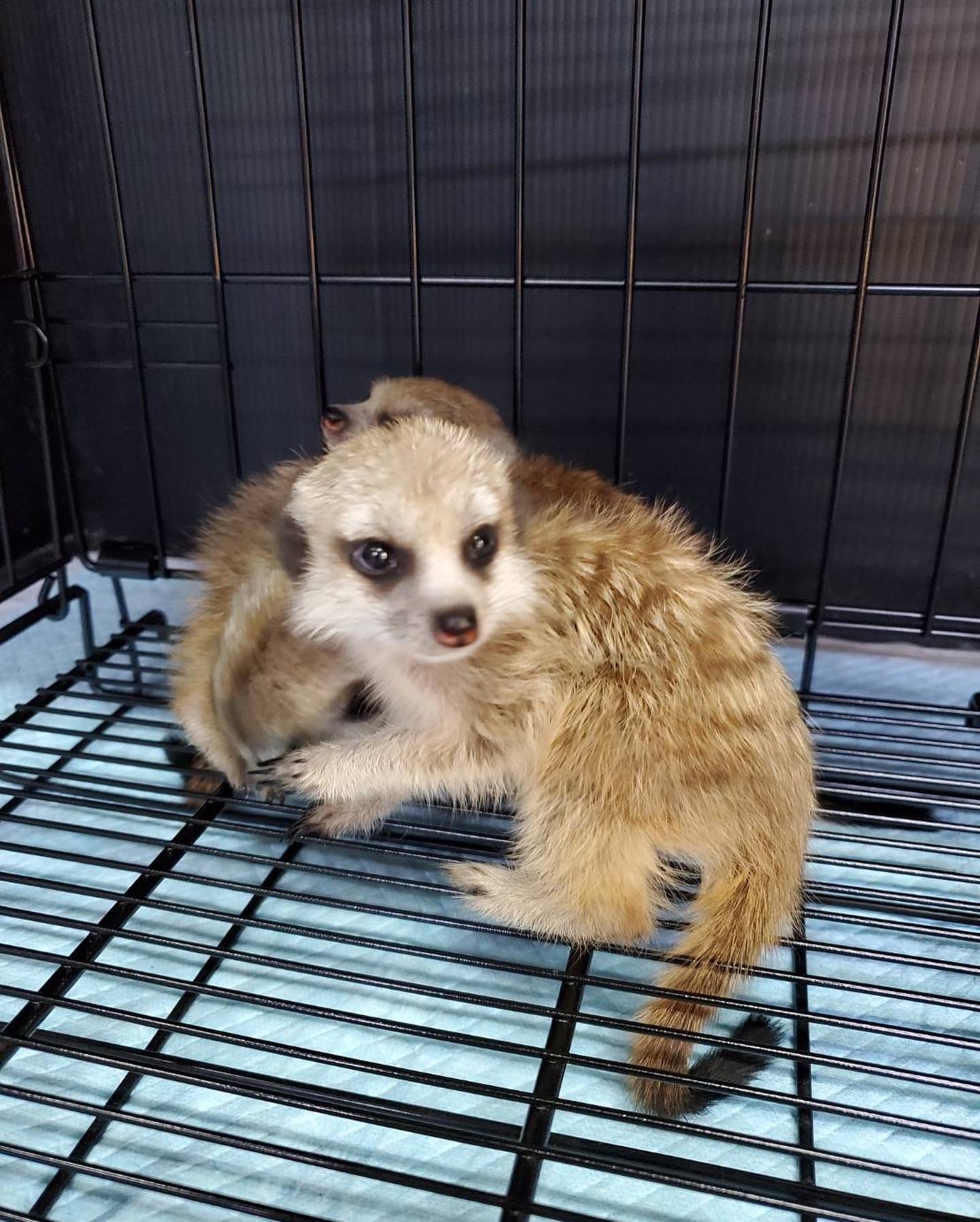
🐾 Meerkat – The Little Sentinel of Africa
(Suricata suricatta)
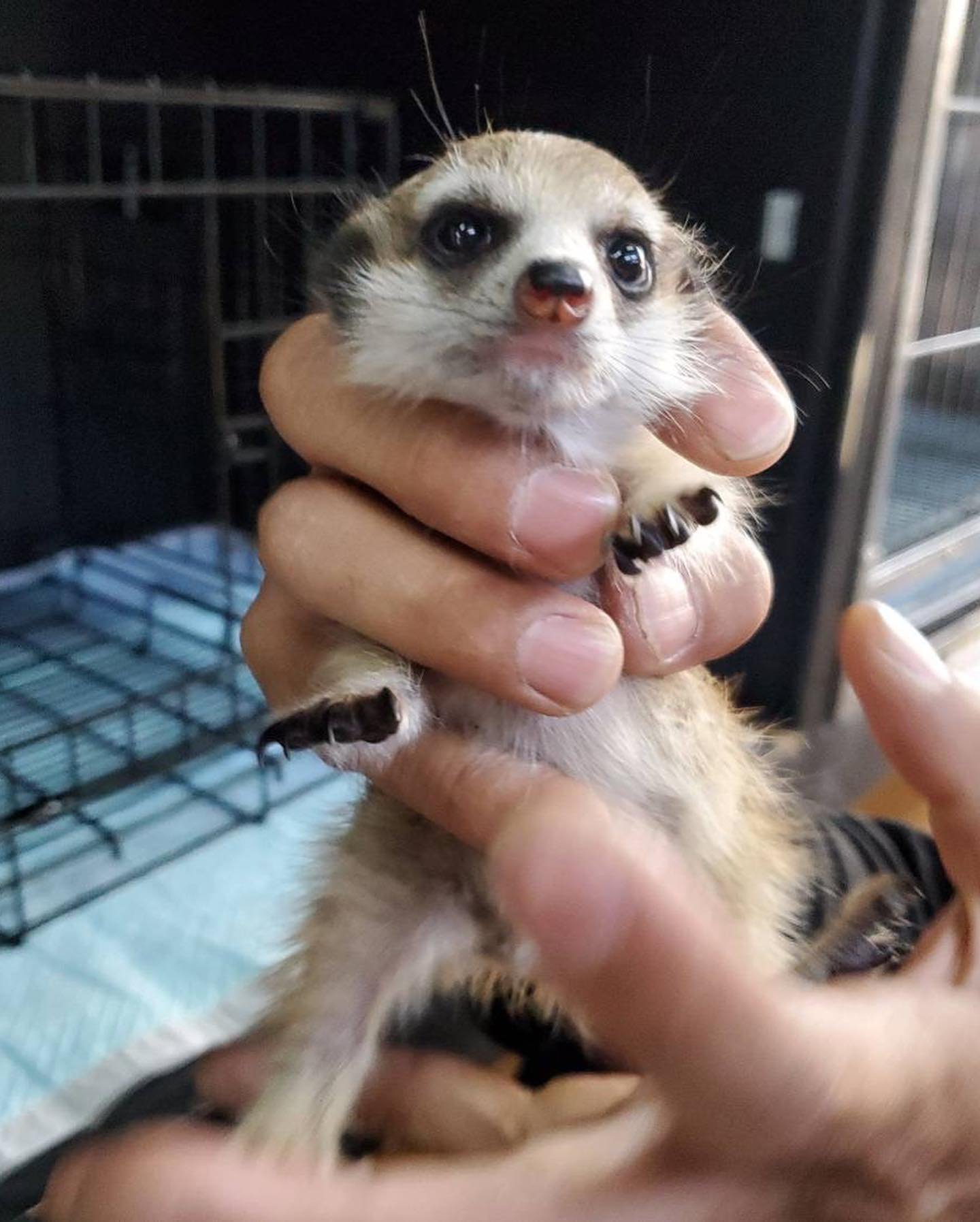
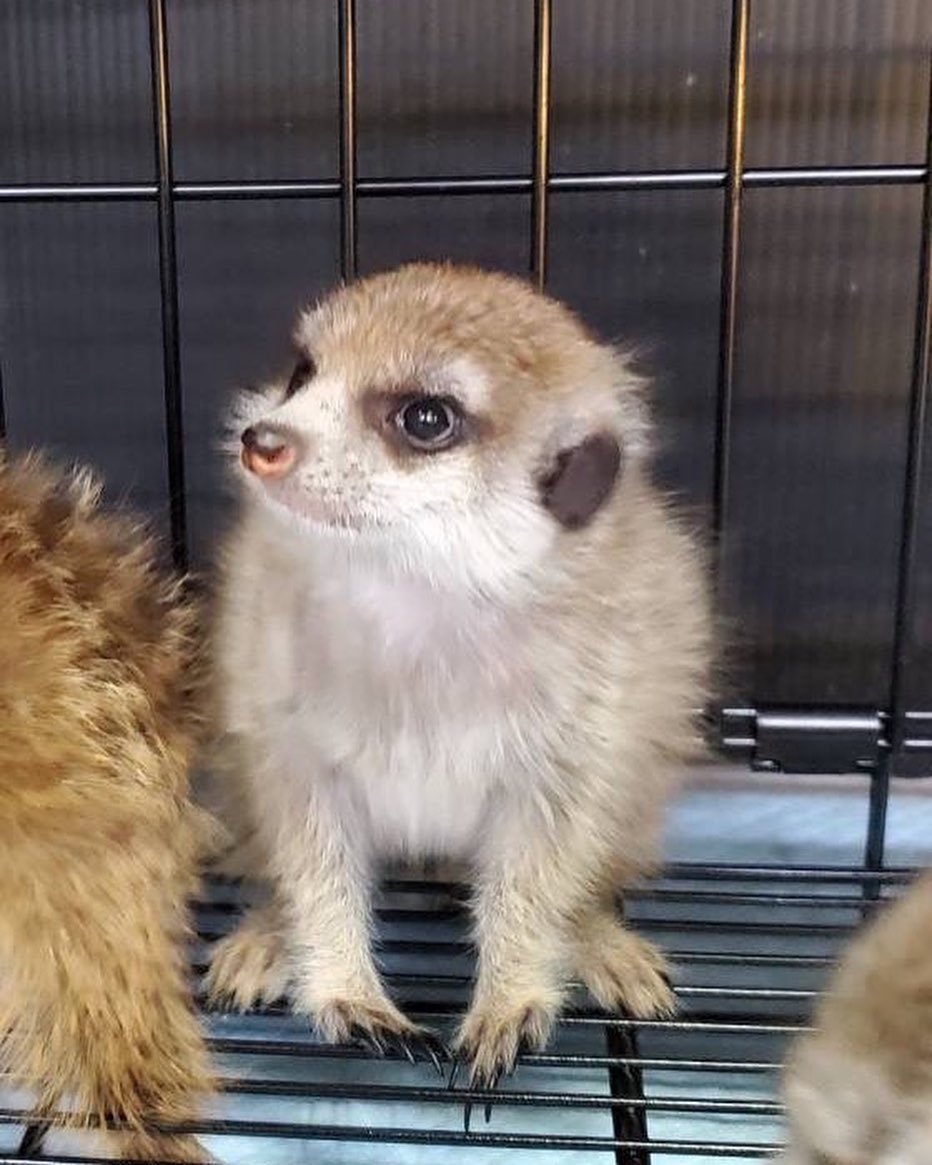
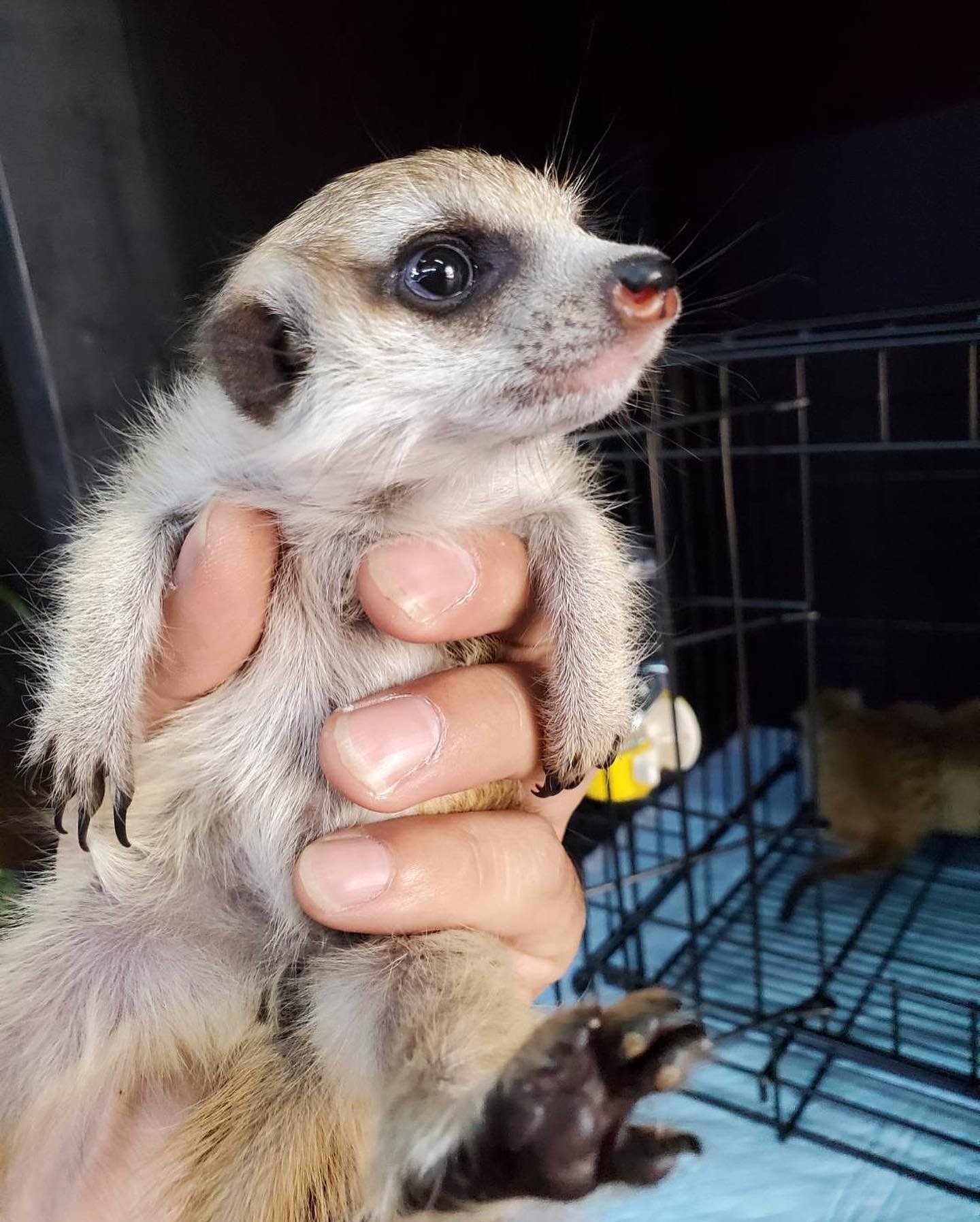
Few small mammals possess such a fascinating combination of alertness, intelligence, and social complexity as the Meerkat. Instantly recognizable by its upright stance, dark eye patches, pointed muzzle, and slender silhouette, this extraordinary member of the mongoose family is one of Southern Africa’s most captivating desert inhabitants.
Life in the Kalahari is a constant exercise in cooperation. Meerkats live in closely bonded social groups, communicating through an intricate vocabulary of calls and alarm signals. One of their most remarkable behaviors is taking turns acting as sentinels, standing upright on elevated positions while watching for approaching predators. It is this characteristic posture that has made them internationally recognizable.
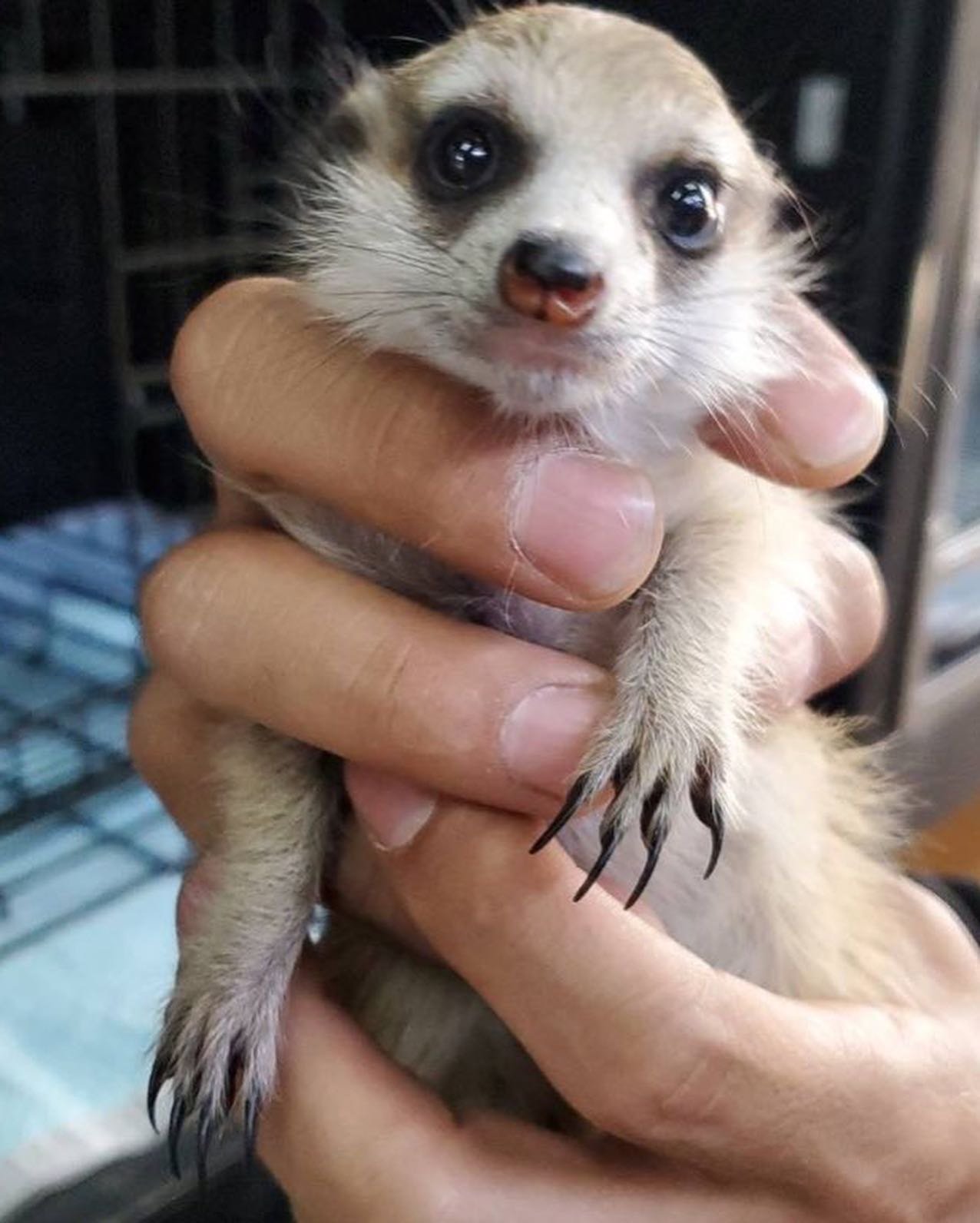
Their anatomy is equally fascinating. Long, non-retractable claws allow them to excavate elaborate underground burrows, while their dark eye markings help reduce sunlight glare during daytime activity. Their natural foraging behavior is highly specialized, involving the discovery of insects, scorpions, larvae, and other small prey hidden beneath the desert surface.
A species whose intelligence is best appreciated through its behavior, not simply its appearance.
In professional care, Meerkats require extensive environmental enrichment, opportunities for natural digging and exploration, carefully managed social arrangements, a species-appropriate diet, and experienced exotic-animal veterinary supervision.
AT A GLANCE
🐾 Species: Meerkat
🔬 Scientific name: Suricata suricatta
🌍 Origin: Southern Africa
🏜️ Natural environment: Kalahari Desert and surrounding arid regions
🧬 Family: Herpestidae
🍽️ Natural diet: Insects, arachnids, and small vertebrates
⏳ Captive longevity: Approximately 10–15 years, depending on care.
Reviews
There are no reviews yet.